
Introduction
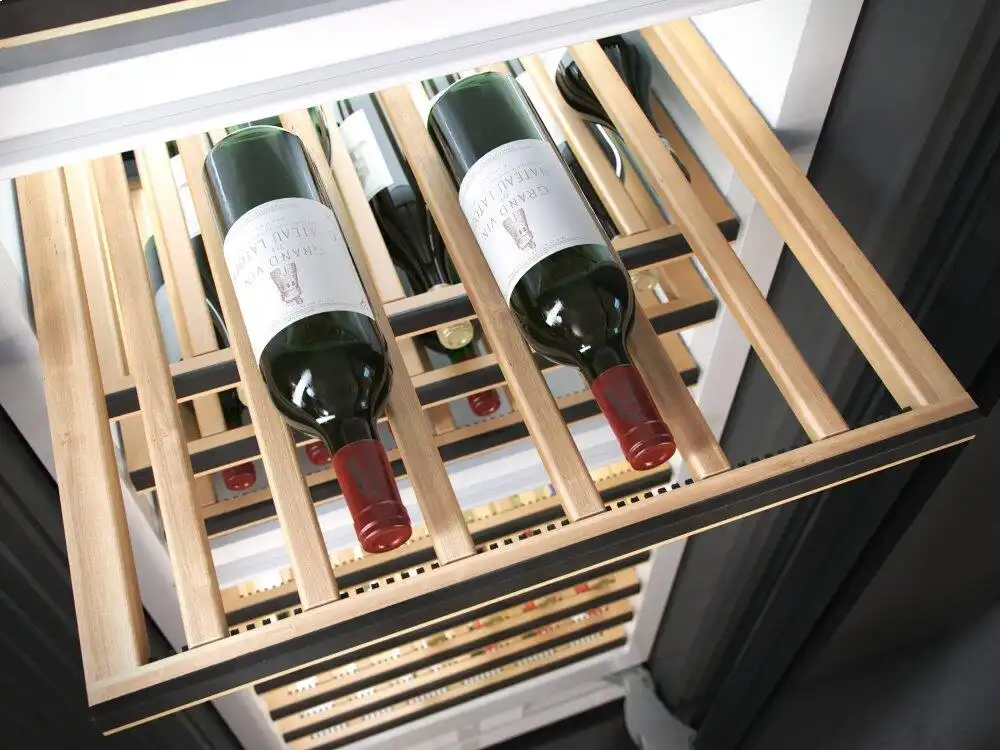
Wine refrigerators and beverage centers are designed to keep wine bottles and specialty drinks stored under stable conditions. Miele units are engineered to maintain accurate temperatures, balanced humidity, and minimal vibration to protect the quality of the contents inside. Like any appliance, however, these systems can develop performance issues over time. This guide outlines common problems and practical steps that can help identify the cause before scheduling a professional repair.
Temperature Stability Problems
Temperature inconsistency is one of the most common concerns with wine storage appliances. When the internal temperature fluctuates more than a few degrees from the selected setting, the first component to inspect is the door gasket. A weakened or damaged seal allows warm air to enter the cabinet continuously. A simple way to test the seal is to place a sheet of paper between the door and the frame. If the paper slides out easily after closing the door, the gasket may need replacement.
Ventilation is another important factor. Built-in wine coolers require adequate airflow around the cabinet to dissipate heat effectively. Make sure ventilation openings are clear and maintain sufficient spacing around the unit, typically several centimeters on the sides and additional clearance behind the appliance.
Dust accumulation on condenser coils can also reduce cooling efficiency. Cleaning the coils every six months with a vacuum and a soft brush attachment helps maintain proper heat exchange. In addition, avoid overcrowding the shelves. When bottles are stacked too tightly, airflow inside the cabinet becomes restricted, which may create uneven cooling zones.
Vibration and Noise Issues
One of the key features of a quality wine cooler is a low-vibration environment. Excess vibration can disturb sediment in wine bottles and potentially affect long-term storage conditions. If the appliance begins vibrating noticeably, start by confirming that it is perfectly level. Place a level on the top surface and adjust the appliance feet until the unit is balanced.
A gentle compressor hum is normal during operation. However, louder sounds such as rattling, clicking, or buzzing may indicate another issue. Loose internal components, worn compressor mounts, or the cabinet touching surrounding cabinetry can sometimes produce unwanted noise.
Occasionally, plastic interior panels may expand or contract as temperatures change, which can create cracking sounds. This is typically harmless and does not indicate a mechanical fault.
If the compressor begins turning on and off frequently, a condition known as short cycling, the cause may be a dirty condenser coil, thermostat calibration issues, or reduced refrigerant levels. A professional technician can perform diagnostic testing to determine the exact cause.
Condensation and Humidity Concerns
Moisture inside the cabinet or fogging on the glass door is another issue that can appear over time. This can happen if the door is opened frequently, if the gasket no longer seals tightly, or if the internal humidity control system is not operating correctly.
In dual-zone wine coolers, a small amount of condensation near the divider between temperature zones may be normal and usually does not require attention.
Excess humidity inside the unit should be addressed quickly, as it can lead to mold growth on corks or labels. Start by checking the internal drain channel to make sure it is not blocked. Clearing the drain with a thin wire and flushing it with warm water can often resolve the issue.
For models equipped with UV-filtered glass doors, another component to check is the door heater. This heating element prevents condensation on the outer surface of the glass. If the door frame remains cold in a humid room and condensation continues to appear, the heater element may require service.
Routine Maintenance Tips
Regular maintenance helps wine refrigerators operate efficiently for many years. Interior surfaces should be wiped periodically with a mild solution such as baking soda and water to keep the cabinet clean and odor-free.
Every six months, inspect and clean the condenser coils and check the door gasket for flexibility or signs of cracking. Proper sealing and airflow are essential for maintaining stable temperatures.
Annual inspection by a qualified technician is also recommended to evaluate compressor performance and refrigerant levels.
If your model offers LED interior lighting, use it instead of traditional bulbs. LEDs generate very little heat and help maintain consistent storage temperatures. Finally, place the appliance away from heat sources such as ovens, dishwashers, or direct sunlight, and keep the surrounding room temperature relatively stable for optimal performance.