Introduction
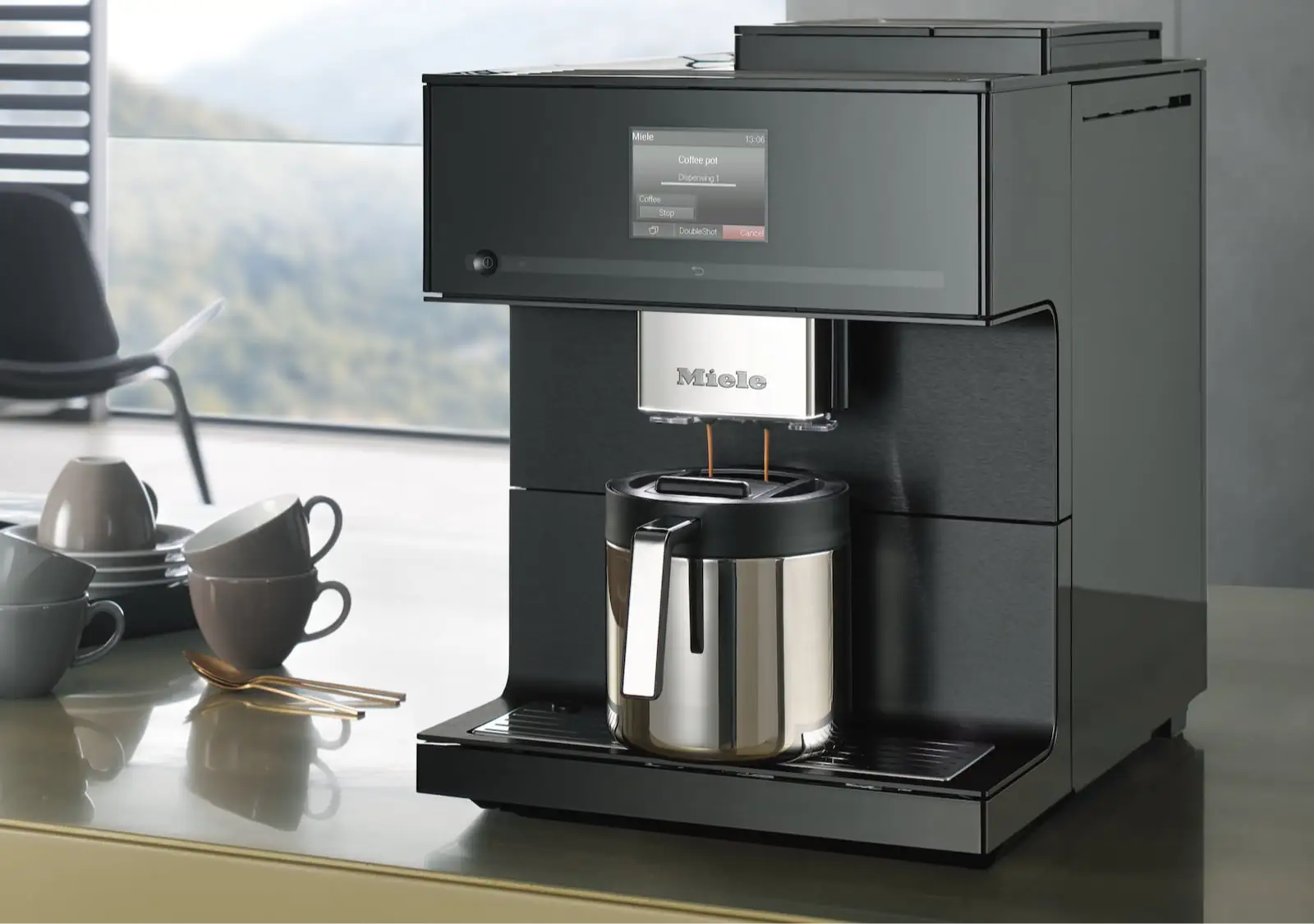
Built-in and countertop coffee machines from the Miele lineup allow homeowners to prepare café-style beverages directly in their kitchens. These advanced appliances combine automated brewing systems with precise temperature and pressure control. Like any frequently used device, however, coffee machines require regular cleaning and occasional service. This guide explains common performance issues, practical troubleshooting steps, and maintenance routines that help keep your machine operating smoothly.
Coffee Taste and Extraction Problems
If espresso begins to taste weak or watery, the grind size is often the cause. When the grind is too coarse, water flows through the coffee puck too quickly, reducing flavor extraction. Adjust the grinder gradually toward a finer setting and test the results after each adjustment. Fresh beans are equally important; once opened, coffee beans gradually lose aroma and crema potential within a few weeks.
A burnt or overly bitter taste can sometimes be linked to mineral buildup inside the heating system. Limescale accumulation may cause the brewing temperature to exceed the ideal range of approximately 90–96°C. Performing a descaling cycle at regular intervals, or whenever the machine requests it, helps maintain proper brewing conditions. Always use the recommended descaling solution designed for the appliance.
When espresso lacks a proper crema layer, the cause may be stale beans, low brewing pressure, or residue inside the brew unit. Removing the brew group and rinsing it under warm water can often restore normal extraction by allowing the unit to seal correctly around the coffee puck.
Water Flow and Steam System Issues
Reduced water flow or a complete lack of water during brewing may indicate a blocked filter or trapped air in the system. Start by removing and rinsing the water filter, then run a water cycle to clear any air pockets from the internal lines. For machines connected directly to a water supply, confirm that the household water pressure falls within the recommended operating range.
Milk frothing problems are commonly caused by milk residue buildup inside the steam pathway. Proteins in milk dry quickly and restrict narrow tubes in the frothing system. Disassemble the milk tube assembly and soak removable components in warm water. Running the dedicated milk-system cleaning program after daily use helps prevent future blockages.
If water begins collecting under the machine, inspect the drip tray and surrounding components. An overfilled tray, worn sealing rings, or a loose hose connection may allow water to escape. Regularly emptying and cleaning the drip tray can prevent overflow and keep the machine hygienic.
Electronic Warnings and Error Messages
Modern coffee machines include diagnostic systems that alert users to potential problems. A persistent message such as “Fill Beans,” even when the hopper is full, may occur if the bean sensor becomes coated with coffee oils. Carefully cleaning the sensor surface often resolves the issue.
Brew-unit warnings can frequently be corrected by removing the brew group, rinsing it thoroughly, and reinstalling it securely. If the appliance fails to power on, check the electrical outlet and household circuit breaker. For built-in units, ensure the cabinet door is fully closed, as many integrated machines include a safety switch that prevents operation when the door is open.
If an error code continues to appear after restarting the machine, the issue may involve a specific component such as the flow meter, pump, or electronic control board. In these cases, professional diagnostic service may be required.
Recommended Maintenance Routine
Regular maintenance is essential for reliable coffee machine performance. The brew unit should be removed and rinsed weekly using warm water without detergent. Allow it to dry completely before placing it back into the machine.
Once a month, run the automatic cleaning cycle using manufacturer-approved cleaning tablets. This process dissolves coffee oils that accumulate inside the brewing system and helps maintain consistent flavor quality.
Lubricating the brew unit rails every few months with food-grade silicone grease can reduce friction and extend the lifespan of moving components. In addition, keep the drip tray and grounds container clean by emptying them frequently to prevent overflow and unwanted odors.
Descaling frequency depends largely on local water hardness. In regions with mineral-rich water, descaling may be required more frequently to prevent scale buildup and maintain proper machine performance.